How Moles Destroy Lawns, Roots, and Irrigation Systems
People searching for yard mole removal are typically looking to stop moles from damaging lawns, roots, and irrigation systems, and local service providers can effectively handle this problem.
If you’ve noticed unusual mounds, tunnels, or uneven patches in your yard, you might be wondering how moles can cause such damage. Moles are known for burrowing beneath the surface, which can undermine the roots of your grass and plants, leading to unsightly patches and weakened lawns. Additionally, their tunneling can disrupt underground irrigation systems, causing leaks or blockages that are costly to repair. Property owners in the area often seek to understand how moles destroy lawns, roots, and irrigation systems to protect their outdoor spaces and maintain a healthy, attractive yard.
Fortunately, local contractors specializing in yard mole removal can help address these issues effectively. They have experience managing mole activity and can implement strategies to eliminate these pests, preventing further damage to lawns, roots, and irrigation infrastructure. Exploring options for mole control is a practical step for property owners aiming to preserve the integrity and appearance of their outdoor environment. Keep reading to learn more about how these services can help safeguard your yard from mole-related damage.
- Mole Damage to Lawns - Homeowners noticing irregular tunnels and mounds may seek local pros to address how moles destroy lawns effectively.
- Root Disruption - When moles disturb root systems, local contractors can remove the pests to protect plant health and lawn stability.
- Irrigation System Interference - Moles may damage underground irrigation lines, prompting residents to find service providers who can repair and prevent further harm.
- Soil and Turf Disturbance - Signs of soil upheaval caused by moles often lead property owners to consult local experts for removal solutions.
- Preventing Future Damage - Those concerned about ongoing destruction of lawns, roots, and irrigation systems can connect with local pros to implement effective mole control strategies.
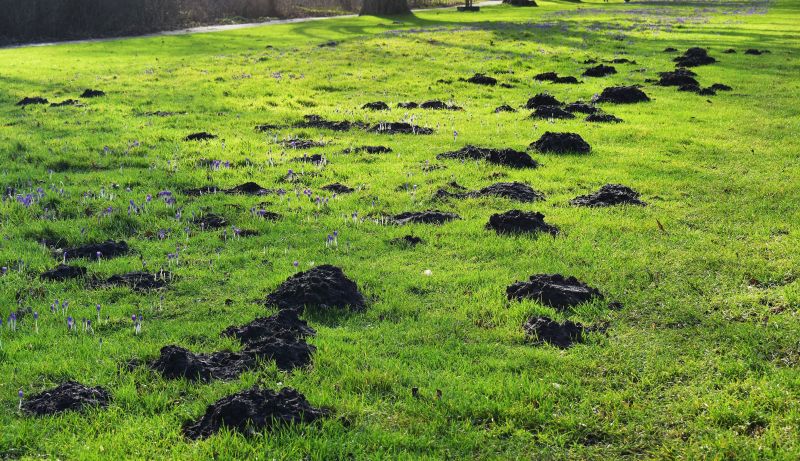
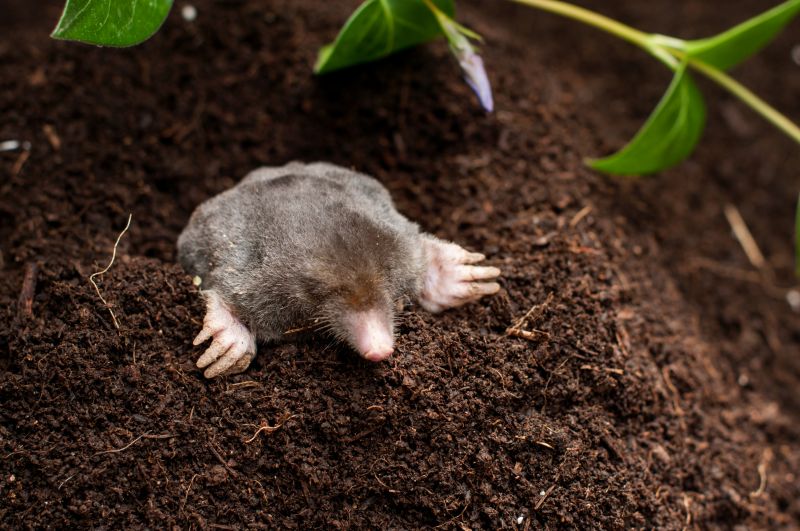
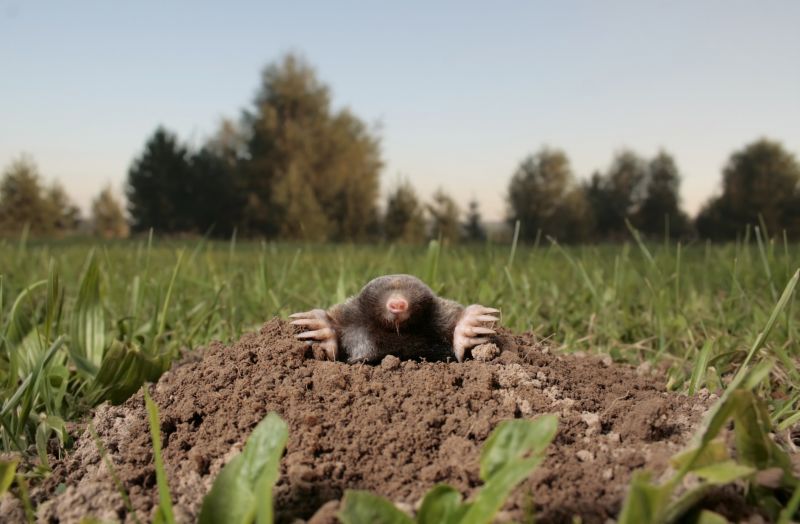
Understanding how moles destroy lawns, roots, and irrigation systems is a common concern among homeowners dealing with underground pest activity. When people search for this topic, they often want to learn about the damage moles can cause beneath the surface of their yards. Moles burrow extensively, creating a network of tunnels that can disrupt the soil structure and make the lawn uneven. These underground activities are not always visible at first but can lead to significant issues that affect the overall health and appearance of a property’s landscape.
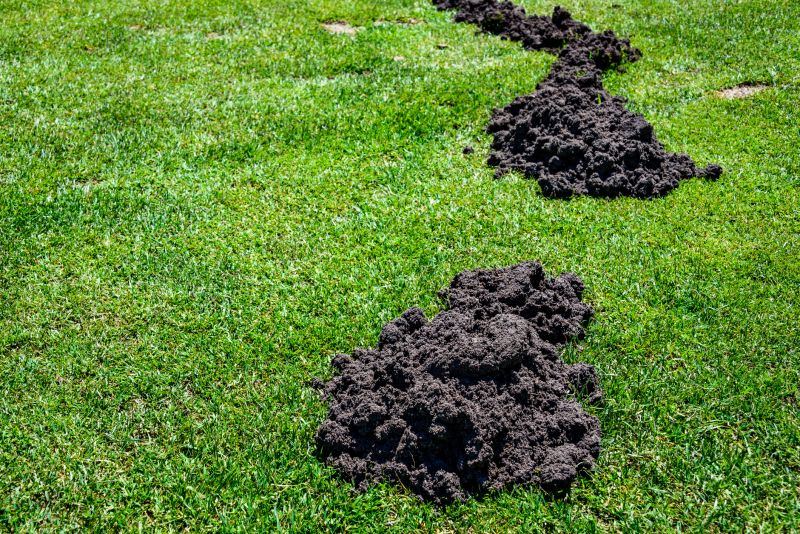
The problems associated with moles often relate to the disruption of lawn integrity, damage to plant roots, and interference with irrigation systems. Moles tunnel through the soil, which can loosen or displace grass roots, leading to patchy or thinning areas of turf. Their extensive burrowing can also cause mounds and ridges on the surface, creating an uneven playing or gardening surface. Additionally, moles may inadvertently damage underground irrigation lines or sprinkler systems as they tunnel, resulting in leaks or system failures that compromise watering schedules and water efficiency.
These concerns are particularly relevant for residential properties with large lawns, landscaped gardens, or active outdoor spaces. Properties with moist, loose soil tend to attract moles more frequently, especially if there is an abundance of insects or grubs that serve as their food source. Gardens, sports fields, and lawns that are regularly irrigated are also more susceptible to underground activity. Homeowners who notice raised ridges, small molehills, or unexplained damage to their grass may be experiencing the effects of mole activity and should consider professional assistance.
Local service providers specializing in yard mole removal are equipped to address these issues effectively. They can evaluate the extent of underground damage, recommend appropriate removal or control methods, and help restore the health of the lawn and irrigation systems. Connecting with experienced contractors ensures that property owners receive tailored solutions to manage mole activity and prevent future problems, ultimately maintaining a safe, level, and healthy outdoor space.
Lawn Repair and Restoration - Professionals specializing in lawn repair can address damage caused by moles, including turf disturbance and root destruction, restoring the health of affected areas.
Irrigation System Installation and Repair - Service providers experienced in irrigation systems can fix or replace damaged components resulting from mole activity, ensuring proper watering and system functionality.
Garden and Landscape Drainage Services - Drainage experts can help manage soil conditions affected by mole burrowing, preventing further damage to roots and underground systems.
Soil Aeration and Soil Management - Local contractors skilled in soil aeration can improve soil health and reduce mole tunneling impact, promoting better root growth and lawn stability.
Root Barrier and Pest Control Solutions - Specialists offering root barriers or pest control can help prevent mole infiltration and protect plant roots from future damage.
Ground Excavation and Grading - Excavation experts can repair or reshape disturbed soil and turf caused by mole activity, restoring a level and healthy lawn surface.
When comparing service providers for yard mole removal, it is important to consider their experience with similar projects, particularly those involving the destruction moles can cause to lawns, roots, and irrigation systems. A contractor with a solid background in handling mole infestations and related damage will have a better understanding of the most effective removal techniques and preventative measures. Asking about their past work with residential properties that faced similar issues can provide insight into their familiarity with the challenges specific to your yard’s landscape and infrastructure.
Clear written expectations are essential when evaluating potential service providers. A reputable contractor should be able to outline the scope of work, including the methods they plan to use for mole removal, any follow-up treatments, and recommendations for ongoing prevention. This transparency helps ensure that both parties have aligned goals and understand the steps involved. It also allows homeowners to compare different providers based on the thoroughness of their approach and the level of detail provided in their proposals.
Reputable references and good communication are key factors in selecting a reliable local contractor. References from previous clients can offer valuable insights into the contractor’s professionalism, effectiveness, and ability to address issues like lawn damage, root disturbances, or irrigation system interference caused by moles. Additionally, responsive and clear communication throughout the process can make it easier to ask questions, clarify concerns, and stay informed about the progress of the work. Choosing a service provider who values transparency and maintains open dialogue can lead to a more satisfactory experience when dealing with mole-related damage.
Property owners often search for how moles destroy lawns, roots, and irrigation systems when they are planning practical projects around their homes and businesses. Local pros provide Yard Mole Removal services for everyday jobs and straightforward project options.
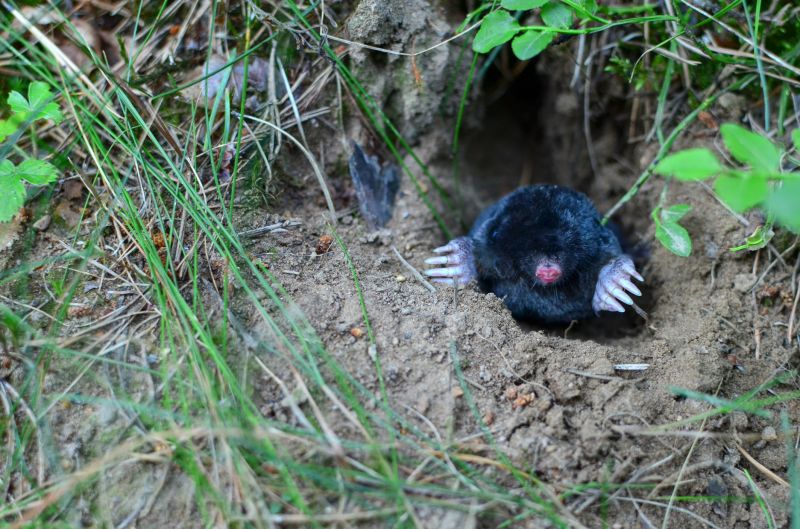
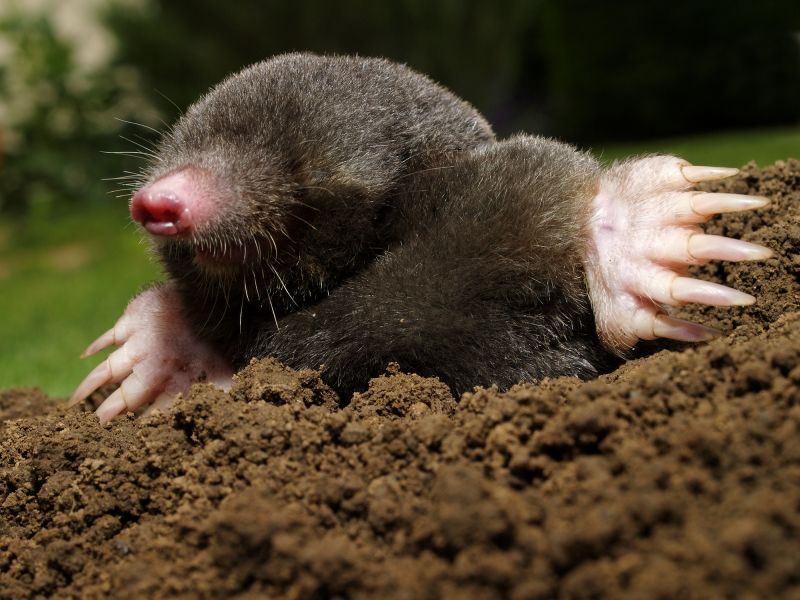
Understanding how moles destroy lawns, roots, and irrigation systems can help property owners recognize early signs of damage and seek effective solutions. Moles create underground tunnels that disturb the soil structure, leading to uneven turf and unsightly mounds on the surface. Their burrowing activity can also weaken plant roots and compromise the integrity of irrigation lines, resulting in water leaks and inefficient watering. Homeowners who notice these issues often turn to local contractors experienced in yard mole removal to restore the health and appearance of their outdoor spaces.
Many property owners in the area search for ways to prevent further damage caused by moles and to protect their lawns and irrigation systems. Since moles can quickly undermine the foundation of a well-maintained yard, hiring local service providers skilled in mole removal can be an effective step. These professionals can assess the extent of the activity, implement targeted removal strategies, and help safeguard landscape features from ongoing underground disturbances. Connecting with experienced local contractors ensures that yard damage from moles is addressed efficiently and with appropriate methods.
How do moles damage lawns and irrigation systems? Moles create tunnels that disturb the soil structure, leading to uneven lawn surfaces and potential damage to underground irrigation lines. Their burrowing can cause roots to become exposed or broken, affecting plant health and water systems.
Can mole activity destroy plant roots? Yes, the tunneling and feeding habits of moles can disrupt root systems, especially of shallow-rooted plants, which may result in weakened or dying vegetation.
What signs indicate moles are harming my irrigation system? Look for raised mounds, disturbed soil near sprinkler lines, and broken or misaligned pipes, which can all be caused by mole activity underground.
How can local service providers help prevent damage caused by moles? Experienced contractors can implement mole control strategies, repair and protect irrigation systems, and restore lawn integrity to minimize ongoing harm.
Are there effective ways to stop moles from destroying lawns and underground systems? Yes, professional pest removal and lawn repair services can address mole activity, restore damaged areas, and help prevent future damage to roots and irrigation infrastructure.
Identify mole activity early - property owners can learn to recognize signs of mole activity to prevent damage to lawns, roots, and irrigation systems with help from local contractors.
Implement effective mole barriers - installing underground barriers or physical deterrents can protect irrigation lines and garden roots from being destroyed by moles.
Schedule professional mole removal - hiring local pros for targeted mole trapping or exclusion methods can minimize ongoing damage to the landscape and underground systems.
Maintain healthy lawns and gardens - proper lawn care and soil management can make properties less attractive to moles, with guidance from local service providers.
If you are thinking about how moles destroy lawns, roots, and irrigation systems for a property, this guide is meant to help you understand this topic, the typical project types, and how different options might fit your plans.
When you are ready, you can use the quote form on this page to share a few details about your project. From there, local pros can review the basics and follow up with options that match what you have in mind.